
Inpatient Rehabs Hackensack New Jersey provide comprehensive substance abuse treatment focusing on holistic recovery. Key features include medical supervision, individualized counseling, group therapy, aftercare support, and strong community ties. Tailored programs address physical, mental, and emotional needs, with proven success rates for long-term sobriety, especially when combined with ongoing alumni support and local resources.
Comprehensive rehabilitation programs play a pivotal role in transforming lives, especially for those grappling with addiction or physical injuries. In the quest for holistic healing, Inpatient Rehabs Hackensack New Jersey stands as a beacon of hope, offering specialized care tailored to individual needs. However, the current landscape presents challenges, with many individuals facing barriers to access effective rehabilitation. This article delves into the intricate world of comprehensive rehab programs, exploring their significance, addressing common hurdles, and highlighting innovative solutions, such as those provided by leading facilities in New Jersey, to ensure optimal recovery outcomes.
- Understanding Comprehensive Rehabilitation Programs
- The Role of Inpatient Rehabs Hackensack New Jersey
- Key Components of Effective Treatment Plans
- Personalized Approaches for Optimal Recovery
- Long-Term Support and Relapse Prevention Strategies
Understanding Comprehensive Rehabilitation Programs

Comprehensive rehabilitation programs offer a holistic approach to addiction recovery, addressing physical, mental, and emotional aspects of substance abuse. Inpatient rehabs in Hackensack, New Jersey, are designed to provide intensive care and support for individuals seeking long-term sobriety. These facilities often incorporate various therapeutic modalities, medical supervision, and personalized treatment plans tailored to each patient's unique needs. The ultimate goal is not only to detoxify but also to empower individuals with the tools and coping mechanisms needed to maintain abstinence.
One key component of comprehensive rehab is access to long-term sobriety support groups, such as Narcotics Anonymous (NA) meetings in Hackensack and surrounding areas. These peer-led groups offer a sense of community and understanding, providing ongoing encouragement and accountability for those in recovery. Faith-based recovery centers in Hackensack also play a significant role, offering spiritual guidance and a supportive environment that aligns with an individual's beliefs. Examples include churches and organizations that provide specialized programs blending religious principles with evidence-based practices.
Data suggests that comprehensive rehabilitation programs have high success rates, with studies indicating improved long-term outcomes for patients engaged in such intensive care. For instance, research shows that individuals completing inpatient rehab are less likely to experience relapse compared to those receiving outpatient treatment alone. To maximize the benefits of rehab, it's essential to follow up with aftercare services and maintain a support network that includes therapy, support groups, and continued engagement with one's recovery community. This holistic approach ensures individuals have the resources needed to navigate challenges and sustain their journey towards lasting recovery.
The Role of Inpatient Rehabs Hackensack New Jersey

Inpatient rehabs, particularly those located in Hackensack, New Jersey, play a pivotal role in comprehensive rehabilitation programs due to their ability to provide intensive, around-the-clock care. These facilities offer structured environments that facilitate healing and recovery from substance use disorders. One notable example is the growing trend of women's only recovery programs in the region, catering specifically to the unique needs of female individuals seeking treatment. These specialized programs not only address addiction but also focus on holistic wellness, fostering a supportive community essential for long-term success.
Inpatient Rehabs Hackensack New Jersey stands out for its commitment to affordable luxury addiction recovery. These centers often include luxurious amenities such as private rooms, gourmet meals, and recreational activities while maintaining high clinical standards. This blend of comfort and care can significantly enhance the overall treatment experience, making it more appealing and effective. Many of these rehabs also accept insurance, making quality care accessible to a broader range of individuals. According to recent studies, insured patients tend to stay longer in rehab and have higher rates of successful completion, highlighting the importance of this accessibility.
Choosing the right inpatient rehab is crucial for optimal recovery. Individuals should consider factors such as program specialization, staff credentials, and aftercare support when selecting a facility. For instance, centers like those found in Hackensack that accept insurance can help mitigate financial barriers to treatment. Moreover, understanding the range of services offered—from individual therapy to group support and family counseling—is essential for tailoring recovery plans to personal needs. By embracing a holistic approach, these programs aim to empower individuals not just to overcome addiction but also to rebuild their lives.
Key Components of Effective Treatment Plans

Comprehensive rehabilitation programs, particularly within private inpatient addiction treatment centers like those found in Hackensack, New Jersey, play a pivotal role in empowering individuals to overcome substance use disorders. Effective treatment plans are meticulously crafted, integrating diverse therapeutic modalities tailored to address the unique needs of each patient. The key components of these successful programs encompass medical supervision, individualized counseling, group therapy sessions, and robust relapse prevention strategies. For instance, inpatient rehabs Hackensack New Jersey often employ dual diagnosis treatment facilities to simultaneously manage both primary addiction and any co-occurring mental health conditions, ensuring a holistic approach.
At the core of an inpatient rehab program's success lies medical supervision, providing a safe environment for patients as they detoxify under professional care. This is especially critical when addressing complex cases or individuals with severe physical dependencies. Once stabilization is achieved, individualized counseling sessions enable therapists to delve into the underlying causes of addiction, fostering self-awareness and promoting personal growth. Group therapy further enhances recovery by facilitating peer support and encouraging open communication among peers facing similar challenges. Participants share experiences, strategies, and encouragement, building a sense of camaraderie that reinforces sobriety.
Relapse prevention strategies, integral to successful inpatient rehabs Hackensack New Jersey, prepare individuals to navigate triggers and high-risk situations upon discharge. These strategies may include cognitive-behavioral therapy (CBT), which equips patients with tools to identify and modify maladaptive thought patterns contributing to drug use. Additionally, family involvement through family therapy sessions strengthens support systems at home, increasing the likelihood of long-term recovery. Data suggests that individuals who complete comprehensive programs with robust relapse prevention strategies have significantly lower rates of recurrence compared to those receiving less intensive treatment.
Personalized Approaches for Optimal Recovery

Personalized approaches are at the heart of effective comprehensive rehabilitation programs, particularly within leading inpatient rehabs like those found in Hackensack, New Jersey. These tailored interventions recognize that every individual's journey with addiction is unique, necessitating strategies that address their specific needs and challenges. Inpatient residential alcohol rehab Hackensack centers excel in this regard by offering specialized addiction treatment programs designed to facilitate optimal recovery.
One such approach involves comprehensive assessment upon admission. Expert professionals meticulously evaluate physical health, mental well-being, and personal history to craft a personalized treatment plan. For instance, a patient with co-occurring mental health disorders would benefit from integrated therapy options available at top rehab centers in Hackensack. Similarly, individuals with past trauma may require specialized counseling services aimed at addressing underlying issues contributing to their addiction. This level of customization ensures that the rehabilitation process is not one-size-fits-all but rather targeted and effective.
Moreover, successful inpatient rehabs Hackensack often incorporate aftercare support into their programs. Recognizing that recovery is an ongoing process, these facilities provide resources and guidance for transitioning back into daily life. This may include access to rehab centers with aftercare support networks, alumni programs, and ongoing therapy sessions. Such comprehensive care ensures individuals are equipped to maintain their sobriety even after completing the initial inpatient program. Data suggests that patients who receive this type of extended support have higher rates of long-term recovery, demonstrating the value of personalized approaches in comprehensive rehabilitation.
Long-Term Support and Relapse Prevention Strategies
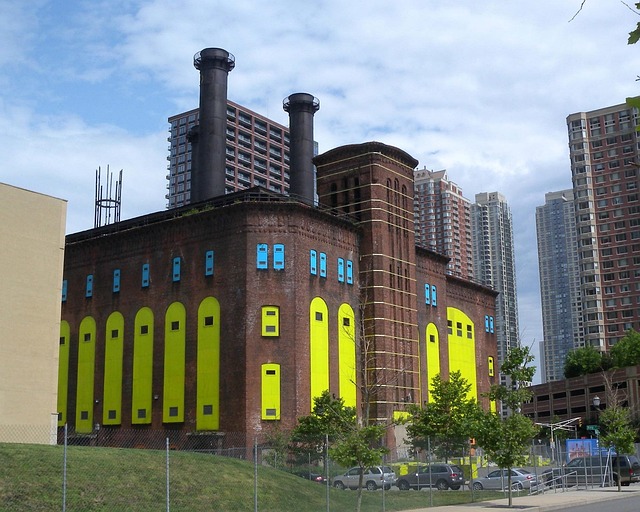
Comprehensive rehabilitation programs, particularly those offered by inpatient rehabs like Hackensack New Jersey facilities, play a pivotal role in long-term support and relapse prevention for individuals struggling with addiction. These specialized addiction treatment programs go beyond initial detoxification, focusing on holistic healing that addresses physical, mental, and emotional well-being. Teen substance abuse rehab in New Jersey, for instance, has shown significant success rates when tailored to individual needs, incorporating evidence-based practices like cognitive-behavioral therapy (CBT) and motivational interviewing.
One of the key strategies employed by effective inpatient rehabs is the integration of specialized programs targeting specific issues such as post-traumatic stress disorder (PTSD). Inpatient rehabs focusing on PTSD in New Jersey have developed tailored interventions to help individuals process traumatic experiences, develop coping mechanisms, and regain a sense of control over their lives. These programs often include group therapy sessions, individual counseling, and exposure therapy, which have been proven effective in reducing symptoms and promoting long-term recovery. Data from studies shows that individuals who complete these comprehensive programs are less likely to experience relapse compared to those who receive shorter-term or less intensive treatment.
To ensure sustained recovery, inpatient rehabs should offer a combination of structured activities, aftercare planning, and ongoing support. This includes connecting individuals with local support groups, providing access to alumni networks, and offering continuous care through follow-up appointments. For example, some Hackensack New Jersey facilities partner with community organizations to facilitate a smooth transition back into daily life, ensuring that former patients have the resources needed to maintain their sobriety. By implementing these holistic strategies, comprehensive rehabilitation programs not only aid in short-term recovery but also empower individuals to lead fulfilling lives free from addiction in the long term.
Comprehensive rehabilitation programs, as exemplified by Inpatient Rehabs Hackensack New Jersey, offer a multifaceted approach to recovery. Key insights include the importance of personalized treatment plans tailored to individual needs, the integral role of inpatient facilities in intensive care, and the necessity of long-term support for sustained sobriety. Effective programs incorporate diverse components such as counseling, medication management, and holistic therapies. By combining these strategies, Inpatient Rehabs Hackensack New Jersey demonstrates that optimal recovery is achievable, emphasizing that a successful rehabilitation journey requires both robust short-term interventions and robust long-term relapse prevention strategies.